


Connecting Africa’s Skilled Professionals

 ReConnect Africa is a unique website and online magazine for the African professional in the Diaspora. Packed with
essential information about careers, business and jobs, ReConnect Africa keeps you connected to the best of Africa.
ReConnect Africa is a unique website and online magazine for the African professional in the Diaspora. Packed with
essential information about careers, business and jobs, ReConnect Africa keeps you connected to the best of Africa.




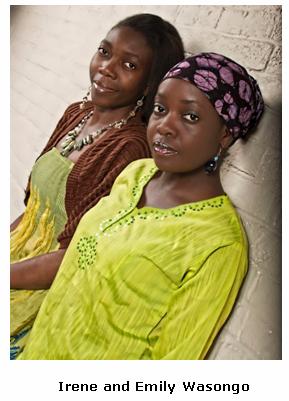 Turning dreams into reality can happen at any age – as 22 year old Emily Wasonga has proven.
ReConnect Africa spoke to Emily and Irene about life in America and the challenges and rewards of running a business.
ReConnect Africa (RCA): You were both born in Nairobi, Kenya. What brought the two of you from Kenya to the United States?
Emily & Irene: Our parents won the Green Card lottery while we were in Botswana. We ended up spending some time in South Africa preparing our paperwork and in February 2004, we moved with our mother to the US and my dad and sister followed in August when he had finished his contract and my sister was done with her first year of college.
RCA: When did you discover your passion for making jewellery?
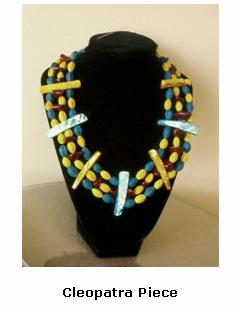
Emily: Irene discovered her passion for making jewelry as a teenager. 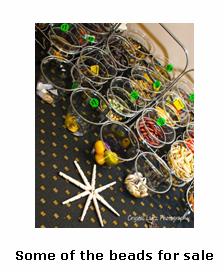 She wanted to remain as fashionable as her age mates, but that was expensive. So she started creating her own pieces from old jewellery and beads.
I started making jewellery by mistake. I really liked to design clothing mainly, but bags and shoes as well. I thought we had hit a landmine when Irene started making jewelry because I realised she could make the accessories to match my designs. I found out, though, that she didn't want to necessarily make designs I came up with!
So I picked up the tools and got to work. Next thing you know, we would be counting our money and going to bead stores together and staying up late into the night making our creations together.
Our parents used to ask us what we planned on doing with all the beads and materials we kept buying and we would always joke, well one day when we have a store, we'll put them to use. It's not a joke anymore - the store is here and every bead/ tool is being put to use.
 RCA: What were some of the challenges in starting your own business?
Irene: Balancing everything - the shop, the family (I am married and I have a 22 month old son), and everything else I have to do.
Emily: I guess showing people that this is no longer just a hobby. We want our business to grow and succeed. People, however, still see it as the hobby and don't understand our passion and plans. I guess we just have to stop trying to explain where we want to take this and get it to where we want it to be.
RCA: Have you found your youth to be a barrier to success?
Irene and Emily: We don't think so – I think it shows that we are serious and focused on what we want to achieve in life.
RCA: Tell us about the shop and how you combine the retail side with teaching others your craft?
We have a bead section and a beading room. We also have strands of beads for sale. So if customers come in and look through our prepared merchandise and would like something different, they can go right ahead and work on it, and we are there to help.
We think teaching the craft encourages people to be creative, especially people who may have thought they were not creative at all. 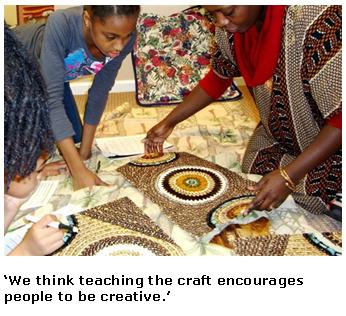 This Mother's Day was the best because we got to see husbands come in and come up with some pretty amazing pieces of work. One of the men who stopped by to customize his wife's Mother's Day package has actually started jewellery making ever since.
We charge $10 for 1 hour 45 minutes. Our beads starts from 25c and our bead strands start at $5- $20. We learnt from others as we taught ourselves and so we would like to keep that culture going.
RCA: How have you integrated into American society and what do you miss about Kenya?
Irene: Well, as far as integration goes, I think seeing how best we have integrated into American society would require someone to look at our work. Our beads come from various parts of the world; some come from African markets, others from El Salvador, and some from right here in the US. It's rare to ever find a piece that is made up of distinctly one type of bead from one part of the world. We fuse the cultures just the way we were brought up.
Emily: I guess we've also learnt how to not compare, but instead learn from American culture, as well as offer what we have from our upbringing to others. Instead of saying things like 'well, we do this and this in Africa', it's become more of understanding why the American culture is the way it is, appreciating that and still being who you feel you need to be.
Irene: What do we miss? Public transportation!
Emily: Open air markets and the availability of things like carpenters, seamstresses, shops (that you could walk to). We miss the humility of life back home sometimes.
RCA: Where do you see your business going over the coming years?
Irene: (jokingly) We want to have a super store the size of Wal-mart! Seriously, though, we would like to grow and open other branches. We would love to have branches in Kenya.
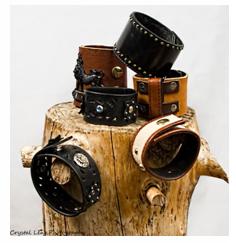 Emily: I would love for us to have representatives selling our items and the funds helping them- for instance, International students in the US needing an extra way to pay school fees and so forth, signing up to sell our creations to meet this goal.
I would also love for our brand to become a major label in the world.
RCA: What advice can you offer someone who is daunted by the challenges of following their dream?
Irene and Emily: Try - and when one door gets shut, then you look for the open window. Before we had the store, we applied for grants and got turned down. There were so many who told us it was just a hobby.
So when the grants didn't come through, we looked at ourselves and said if we can't get this dream done through grant support, we have to be the ones to make it come to life. And that is what we have done.
We are still growing. Every day is a challenge but we know where we want to be in the future so we keep pushing. If it's your dream and you have enough passion, it's about finding the right way to make it come to life sometimes.
Pictures by Crystal Lenz Photography









 Keep yourself updated with our FREE newsletters now!