RCA Flag
RCA Flag
Connecting Africa’s Skilled Professionals
RCA Flag

ReConnect Africa is a unique website and online magazine for the African professional in the Diaspora. Packed with essential information about careers, business and jobs, ReConnect Africa keeps you connected to the best of Africa.

ReConnect Africa Magazine

Books and Resources

Heading to Africa?

Editorial - Connecting Africa’s Global Talent

In May 2006 we launched ReConnect Africa.com as the ‘go to’ place for professionals of African origin overseas


Africa Business

The 10th anniversary of the annual IISS Oppenheimer Lecture gave Advocate Thuli Madonsela, Public Protector of South Africa, a platform to examine the role of justice and good governance in regional and international peace.

South African wine and spirits producer Distell has made its first fully-fledged international acquisition, with the purchase of the renowned cognac brand Bisquit from Pernod Ricard for Euro 31 Million. The deal gives Distell, the world's fourth-largest brandy producer, the inventories of Bisquit's finished cognac, as well as stocks of eau-de-vie (cognac distillate) currently in maturation. The deal augments the company’s spirits stable with a highly respected international brand and gives it access to Bisquit's existing customer base in Europe and Asia for other Distell offerings. To avoid any disruption of supply, Distell has maintained existing distribution agreements with Pernod Ricard affiliates in France, Belgium, Switzerland and Luxembourg. Bisquit will be the first wholly-owned Distell brand to be produced outside Africa, taking the local company further into the mainstream international spirits market, and follows on the company's joint venture established two years ago with Scotch whisky producer Burn Steward Distillers to produce and market the Bunnahabhain, Black Bottle and Scottish Leader whisky brands in sub-Saharan Africa. While accounting for only 8.6% of brandy volumes sold worldwide in 2007, cognacs command a higher price than any other type of brandy and growth in sales has outpaced that of any other spirit over the past decade.

South Africa has been ranked fourth in the world for auditing and reporting standards, according to the World Economic Forum's Global Competitiveness Report 2008-2009. The implications of such a ranking are encouraging for South African businesses and financial institutions as well as overseas investors. Given the plethora of laws and regulations auditors were subject to, South Africa's ranking will also hopefully have some influence on foreign audit regulators, who need to inspect auditors who audit entities listed on foreign exchanges.

The World Bank has approved an Rs 580 million, five-year technical assistance loan to finance the Mauritius Economic Transition Technical Assistance Project (METTAP), which aims at enhancing the performance of selected public enterprises and services that contribute to an improved investment climate. The METTAP loan is a key support to Mauritius as it transitions from a development paradigm dependent on trade preferences to one centred on global competitiveness. The project revolves around three pillars namely, Business Facilitation, Public Enterprise reform and Utility and infrastructure projects through the Public Private Partnerships. METTAP is a specific programme designed to improve overall public sector efficiency by removing existing administrative hurdles to business and investment and reengineering key public enterprises to improve service delivery and achieve gains. It also helps in undertaking regulatory, legal and institutional reforms to streamline investment-related procedures and contribute to making Mauritius an attractive and preferred investment destination. Mauritius has more that 150 para-statal bodies and METTAP will focus on those that are critical to improving public sector efficiency and facilitating business development.

South Africa is fast becoming a preferred business tourism destination. Large international companies are eager to host international events, conferences and trade expos in the country, and business travellers are as just as willing to attend. The SA Department of Trade and Industry has identified business tourism, commonly referred to as the meetings, incentives, conferences and exhibitions (Mice) industry, as a niche tourism segment with growth potential. Recent figures show that in the first nine months of 2008, business travellers spent R2.4-billion in South Africa, 32% more than in the same period in 2007. Although the actual number of business travellers declined during this period, they are spending more. While the global financial crisis has reduced international travel, foreign visitors to South Africa increased by 5.1% to 8.6-million in the 11 months to November 2008. Business tourism also has lucrative spinoffs for the leisure tourism industry as business travellers often book tours to explore the region they are visiting, either before or after conferences. According to the Gauteng Tourism Authority, the province is currently listed 35th by the International Congress and Convention Association, which ranks countries according to their ability to present international functions. In a 2007 survey by the Meetings and Incentive Travel magazine, which is circulated to event organisers throughout the UK, Cape Town topped the list of favourite long-haul destination cities. South Africa was voted the second favourite long-haul destination country.

South Africa and Nigeria have launched a joint advisory council to promote and facilitate increased investment between the two continental powerhouses. The Joint Presidential Advisory Council on Investment will help create an environment that will encourage investment flows between the two countries. Trade and investment have grown exponentially since the advent of democracy in South Africa in 1994 and the resumption of diplomatic and economic ties between the two countries. Nigeria contributes over 40% of West Africa's regional gross domestic product (GDP). Petroleum plays a major role in the Nigerian economy, accounting for around 40% of the country's GDP. With its large population and abundant natural resources, Nigeria has become South Africa's most important trading partner on the continent. Bilateral trade grew from approximately R180-million in 1999 to almost R11-billion in 2007, with South Africa's imports from Nigeria dominated by crude oil (98% of imports). Over the same period, a number of South African companies have become major players in almost all sectors of the Nigerian economy, the biggest investment being in telecommunications. Other sectors of Nigeria's economy that South African firms are involved in are banking, property, retail, media, mining, construction, tourism, agriculture, entertainment, and fast food franchising.

In line with its status as one of Africa's foremost financial services providers, Guaranty Trust Bank PLC has expanded the scope of its operations in Sub-Saharan Africa with the opening of a Liberian subsidiary located at United Nations Drive, Clara Town, Bushrod Island, Monrovia, Liberia. According to a press release from the bank, the Nigerian bank, which currently has a branch network which spans over 152 locations in Nigeria, has additional subsidiaries in The Gambia, United Kingdom, Ghana and Sierra Leone. The release added that GT Bank's presence and activities in Liberia will herald a rise in trade and investment opportunities, as its Liberian subsidiary will enjoy the leverage of the GT Bank group's enviable heritage and global connections.

The Airports Company South Africa (ACSA) and the French Development Agency (AFD) have signed a long-term €85 million loan (approx R1 billion) agreement to improve the O.R Tambo International Airport. According to the agreement between the two parties, the loan will be repayable over fifteen years with a three year grace period. According to ACSA, the funds will be utilised to finance the extension and upgrading of ACSA’s flagship airport, in particular the Central Terminal Building. As part of ACSA's strategy to diversify its sources of funding, it has approached a number of financial institutions, particularly those that focus on long-term infrastructure development. AFD is the first international development finance institution to support ACSA in funding its capital investment programme. The AFD, operating in South Africa since 1994, is a French government institution set up to provide development financing especially for urban, rural and infrastructural development, as well as industry, financial systems and education.

ArcelorMittal South Africa is to build 10 new schools over seven years at a cost of R250-million, the first being a new primary school in the township of Mamelodi outside Pretoria. Mamelodi Primary is scheduled for completion by the end of the year, and the remaining nine schools, two in the Eastern Cape and one each in the rest of the provinces, will be built to guidelines provided by the Department of Education. In a first for South Africa, Mamelodi Primary School will be built using insulated panels technology, which relies heavily on steel as a building material. It can withstand extreme weather conditions, is fire-resistant and 10 times faster to erect than using conventional building technologies. For ArcelorMittal, the Mamelodi project is part of its strategy of investing heavily in education, training and skills development. This includes promoting maths and science at high schools, an extensive bursary programme for artisans, engineers and other technical skills, and upgrading the skills of its own employees. The investment not only ensures that the company has a pool of skilled resources for its own operations, but also towards addressing the country's skills shortage in general. Over the past three years, ArcelorMittal has invested some R22-million in a Science Centre and a Centre of Excellence.

The South African National Space Agency Bill, which could see South Africa setting up its own space agency later this year to pull together all space-related activities in the country under a single organisation has been signed into law. The Act creates an agency that will promote the peaceful use of outer space; foster research in astronomy, earth observation, communications, navigation and space physics; foster international cooperation in space-related activities; and advance scientific, engineering and technological competencies through human capital development and outreach programmes, according to the Department of Science and Technology. The agency will also implement the National Space Strategy, which was approved by the Cabinet in December 2008, to stimulate the capability to place South Africa among the leading nations in the innovative utilisation of space science and technology. The agency is also expected to bring together the work of several institutions and harness their capacities to leverage billions of rands to boost the economy and create more jobs. Some of the projects it will co-ordinate include the Square Kilometre Array bid, the Southern African Large Telescope, and South Africa's second indigenous satellite, SumbandilaSat.

The construction of a small craft harbour at Durban's Point Waterfront is expected to attract investment capital in excess of R6-billion to the province. According to the KwaZulu-Natal Premier Sibusiso Ndebele, the small craft harbour will also create 6,000 to 8,000 direct new jobs during construction, and 6 000 permanent jobs once operational. Once completed, the development will increase the rates base of eThekwini Metropolitan Municipality by more than R100-million per annum. The development will comprise approximately 575 000 bulk square metres across a variety of usage types, including office, residential, retail and hotels.

A new mass vaccination campaign to be rolled out across West Africa this year promises to eliminate the deadly brain disease meningitis in Africa, according to the UN World Health Organisation (WHO). Twenty-five-million doses of the new meningococcal A, or MenA, vaccine are currently in production in India. The drug is expected to be introduced in Burkina Faso in late 2009. "This is the beginning of the end of the disease," said Marc LaForce, the director of the Meningitis Vaccine Project (MVP). The project, an initiative of WHO and the non-profit Programme for Appropriate Technology in Health, has been developing the vaccine since 2003. While the disease is more deadly in the meningitis belt than anywhere else in the world, there have been no prevention vaccines for the strain found in Africa – until now, following clinical trials with MenA. Meningitis is caused by inflammation of the protective membranes covering the brain and spinal cord, known collectively as the meninges. The Bill and Melinda Gates Foundation has funded MVP’s creation, research and development since 2001.

South Africa's Department of Safety and Security has signed an agreement with the French Embassy to strengthen the country's capacity in the fight against transnational organised crime and terrorism. The Priority Solidarity Funds Agreement will reinforce the South African Police Service's capacity to respond to terrorist threats and tackle international criminal networks. The agreement was informed by the understanding that countries could no longer afford to function in isolation in what has essentially become a connected global village and that the sharing of experiences, information, skills and knowledge was critical in the effort to defeat crime. French training of South African Police Service (SAPS) members in specialised fields, procurement of specialised technical equipment, as well as the sharing of expertise in the field of tracking has all strengthened the country's fight against crime and the three-year cooperation agreement will encompass a financial commitment of more than R15-million to the SAPS.

Nigeria and other developing countries face a financing shortfall of $270-700 billion to pay for their imports and service their debts this year, as the global economy falters and foreign investors withdraw, says the World Bank. According to the organisation, only one quarter of the most vulnerable countries have the resources to prevent a rise in poverty. In a bid to curtail the effects of the global financial meltdown, governments of most developed countries have pumped several billions of dollars into their economy to save their financial system. Nigeria has also taken a number of measures including the reduction of foreign trips by government officials, depreciation of its exchange rate, push for establishment of a Financial Service Regulatory Committee, an Asset Management Company, and deregulation of its oil sector, among others. Nigeria had recorded a Gross Domestic Product (GDP) growth rate of 6.6 per cent last year and proposed a growth rate of 7.5 per cent this year, which analysts insist may not be a reality given the tight liquidity in the economy that has reduced consumer spending. But the World Bank said that international financial institutions could not by themselves currently cover the shortfall of emerging countries - that includes public and private debt and trade deficits - for 129 emerging countries, even at the lower end of the range.

The International Monetary Fund (IMF) has called on the international community to act urgently to avoid the devastating effects of the current financial crisis on Ghana and others classified as most vulnerable countries. "After hitting first the advanced economies and then the emerging economies, a third wave from the global financial crisis is now hitting the world's poorest and most vulnerable countries," IMF's managing director, Dominique Strauss-Kahn, said at the launch of a new IMF study in Washington DC. The study, entitled: "The Impact of the Financial Crisis on Low-Income Countries", stated that more than 20 countries were vulnerable to the unfolding crisis. Apart from Ghana, other countries are Angola, Nigeria, Zambia, Burundi, Cote d’Ivoire, Liberia, Haiti, Honduras, Kyrgyzstan, Albania, Moldova, Mongolia, Papua New Guinea, Sudan and Vietnam. "More than $25 billion in urgent concessional financing will be needed this year in the most affected countries.

International telecoms equipment manufacturer Alcatel-Lucent has partnered with the Telkom Foundation to establish an e-learning centre and internet café at Grassy Park High School in Cape Town. The centre will be able to provide free access to high-speed broadband internet to students as well as residents from the neighbouring community. It will be equipped with the latest high-performance computers and a complete set of learning facilities and tools, and will be able to accommodate about 25 users at a time. The initiative is part of Alcatel-Lucent's corporate social investment programme, which places education high on its agenda, with a view toward developing local talent and providing better learning opportunities for underserved areas, says the company.

The Moroccan government has pledged to increase women's political representation at local levels. Following a reform of the Commune Charter that set a minimum quota of 12% for female representation, the government now intends to get the message out to the public. A national awareness campaign entitled "Women in communes: a driving-force for local governance" was launched was also launched earlier in the year. According to the Moroccan government, the aim is to exceed the set quota for the level of women's representation for the first time and the campaign is the fruit of commitments made by the government, parliament, political parties, the media and other partners. The country has already reached the target for women's representation at the commune level, with an increase from 0.56% to 12% of seats. The campaign will include media messages and community-level activities, and will highlight success stories in the hope of raising public confidence in women's abilities.

South Africa's Standard Bank is to take a 33% stake in Russian investment bank Troika Dialog, forging a major partnership deal despite the mounting economic crisis in Russia. Standard Bank will acquire the stake for 200 million dollars (158 million euros) through a convertible loan while also handing over its Russia operations and all its Russian business to Troika Dialog, the Russian bank said in a statement. The transaction will mark the first time a foreign bank has taken a major share in a Russian financial institution since the financial crisis broke last year, sending shockwaves through Russia's capital markets. Standard Bank said in its own statement that the "combined operation will have a capital base in excess of 850 million US dollars and will be strongly positioned to compete in the Russian financial services sector." The transaction remains subject to regulatory approval. Troika boasts of being the oldest investment bank in Russia, having been founded in 1991, the year the Soviet Union collapsed.

Angola has secured another billion-dollar (783 million euros) loan from China, according to the country's state media, to be spent on developing its agricultural sector. The southern African country has already received at least five billion dollars in credit from China to pay for its post-war reconstruction, but the World Bank believes up to eight billion dollars more has not been publicised. Chen Yuan, CEO of the China Development Bank, announced the latest finance deal. The China Development Bank is one of the country's largest, and is one of three policy lenders charged with supporting Beijing's government programmes. Trade between the two countries was at 25.3 billion dollars in 2008, and Angola is now China's biggest African trade partner. Angola, a former Portuguese colony, was a key agricultural producer in the 1950s and 1960s, but millions of farmers left their land during the decades of war that left the soil littered with landmines. Most food is now imported. The government, which relies on oil and diamonds for more than 90 percent of its income, is suffering amid the global slowdown and is investing in areas like agriculture in a bid to diversify the economy.

Economic growth in sub-Saharan Africa is poised to halve from the average of the past decade to slightly more than 3 per cent in 2009 as the continent is struck by the "third wave" of the global economic crisis, the International Monetary Fund has warned. Antoinette Sayeh, director of the IMF's Africa department, said the crisis that began in developed economies and then hit emerging markets was hurting the world's poorest continent via low global commodity prices, tighter credit markets and depressed external demand.

Zambia has launched a US$400 million Kariba North Bank extension project and placed emphasis on building new power stations as well as expanding the existing ones. According to the Zambian Government, it is in the process of concluding the legislation to make the sector one of the priority sectors in the provision of incentives under the Zambia Development Act. The energy sector, specifically electricity, has played a critical role in facilitating growth of the economy and the Kariba North Bank extension project will involve the installation of two additional generators with a total capacity of 360 mega watts. This will bring the total installed capacity at the Kariba North Bank to 1,080 mega watts. President Rupiah Banda has thanked the Chinese government for facilitating the provision of 85 per cent of the cost of the project through the China Export and Import Bank and the Development Bank of Southern Africa for providing the balance of the project funds. Chinese ambassador to Zambia, Li Qiangmin said the project demonstrated the cordial bilateral relations by the Zambian and Chinese governments and that Zambia was one of the preferred investors' destinations by the Chinese because of its good policies which they had taken advantage of. He said the company contracted to do the works, Sino Hydro, was the biggest power company in China and one of the largest in the world.

A24 Media has announced the launch of its much anticipated online stills collection, which contains some of the best photographic collections in Africa, digitised for the first time. The collection charts the past 50 years of the continent's history, and features never before seen work from world-renowned photographers Mohamed Amin and Duncan Willetts. With images available online; the collection is diverse in content, capturing images ranging from wildlife, culture, sports and portraits from the Maasai of Kenya even to iconic images of the late John F. Kennedy of the USA.

The Economic Commission for Africa (ECA) has launched the Pan African Alliance on E-Commerce to intensify cooperation and initiate common projects of interest in African countries, as part of a two-day workshop on Trade Facilitation and Aid for Trade in Addis Ababa. The Alliance hopes to establish and encourage the use of "Single Window" across the continent, which is an electronic platform where traders undertake transactions on line, reducing the need for paperwork. Senegal, Tunisia and Mauritius are said to already have such platforms, dramatically reducing the time it takes to clear customs in those countries. Trade and transport officials from more than 20 countries from across Africa took part in the workshop, which was organised by ECA's African Trade Policy Centre (ATPC). The Aid for Trade Initiative was launched with the purpose of helping developing countries, the least developed in particular, to build their supply-side capacity and infrastructure needed to take advantage of trade liberalisation and enhance their participation in the world trading system in order to meet their economic development needs.

The Investment Climate Facility for Africa (ICF) has confirmed it has successfully streamlined the customs administration system in Senegal, considerably reducing the time and costs associated with importing and exporting goods. Additional improvements are expected in 2009 as the second phase of the project gets underway, delivering more tangible changes and further optimizing conditions for trade. Since 2007, ICF has been working with the Government of Senegal, in partnership with implementation agency GAINDE 2000, to streamline and refine its existing system of paperless electronic customs administration. The project followed the recognition that if Senegal is to become a more attractive trading partner, the clearing process in the port has to be speedier and more predictable. Before ICF support, processing time for pre-customs declaration was two days, now it takes just three to seven hours. Likewise, 853 certificates of origin were processed by GAINDE in 2007; with ICF support, this has now increased to 1,983 certificates in 2008. Following the success of the project’s first phase, ICF today announced support of a second phase, which will render the Port of Dakar's customs clearance process entirely paperless. This will be achieved in two stages over the next two and a half years. The second phase of the project aims to reduce the time associated with the custom clearance process by a further 50%, from an average of 18 to just 9 days. An improvement of this scale will put Senegal's customs administration system on a par with countries like France and Spain where it currently takes nine days to clear customs. ICF is the only pan-African body, based in Africa, explicitly and exclusively focused on improving the continent's investment climate. It works with receptive African governments to systematically remove constraints to investment in order to make the continent an even better place to do business. ICF is currently active in Burkina Faso, Lesotho, Liberia, Madagascar, Mali, Rwanda, Senegal, Sierra Leone, Tanzania and Zambia, and has a number of pan-African projects and initiatives.

China is regaining its appetite for acquisitions in Africa as asset prices on the continent tumble, according to Standard Bank, Africa's largest lender that is partially owned by China’s biggest bank. Jacko Maree, Standard's chief executive, said in an interview with the Financial Times that Chinese companies were readying to "turn on the taps" once more after 2007’s surge of investment into Africa fell away dramatically due to the global financial crisis. Market valuations for many African companies – particularly miners but also telecoms groups and banks – have fallen sharply during the crisis. Last year, Industrial and Commercial Bank of China (ICBC) took a 20 per cent stake in Standard for $5.5bn.

Irish company Mainstream Renewable Power has signed a Euro 850-million joint venture deal with South African firm Genesis Eco-Energy to build wind farms to generate "an initial pipeline" of over 500 MW of energy in the Eastern, Northern and Western Cape provinces by 2014. The joint venture company plans to have two projects - a 30 MW wind farm at Jeffrey's Bay near Port Elizabeth, and a 40 MW project at Colesberg in the Northern Cape - ready for construction early in 2010. The two projects "are both at advanced development stages and are expected to be fully operational early in 2011," Mainstream said. A shortage of power generating capacity is constraining South Africa's economic growth, and state electricity company Eskom is to spend hundreds of billions of rands over the next five years on increasing this capacity. Besides contributing to South Africa's climate change mitigation strategy, the new projects will give a major boost to local economic development, energy security and job creation.

Absa Capital has launched South Africa's first Shariah-compliant equity-linked exchange traded fund (ETF). The initial public offering for the NewFunds Shariah Top 40 Index ETF opened on 23 February, while the ETF was listed on the JSE on 6 April. According to Absa, the Shariah Top 40 Index ETF is a first for South Africa and will redefine the Muslim investment landscape in the country. The company expects the new offering, a cost-efficient, transparent and easy-to-access investment product that conforms to the principles of Shariah law, to be well-received in a market that urgently required more local Islamic investment products to service the estimated 400,000 Muslim households in South Africa. Absa Capital said the new ETF offered a credible Islamic investment opportunity, aligning the South African Islamic investment market with global trends.

Absa Capital's NewGold ETF, the largest ETF in the South African market, with approximately R9-billion in assets, is also Shariah-compliant, having been approved by the Shariah Supervisory Board. The Shariah Top 40 Index ETF tracks the FTSE/JSE Shariah Top 40 Index jointly established by London's FTSE International and the JSE. The Shariah screening of the index constituents is performed by Yasaar using a two-step methodology. Yasaar represents all major Shariah schools of thought, creating a best practice approach that has credibility across all regions of the Islamic world, and the ongoing screening of the Shariah compliance of the ETF is conducted by Absa's Islamic Banking Shariah supervisory board.

As discussions continue on ways to tackle the impact of the global financial crisis in Africa, the African Development Bank (AFDB) has decided to increase its annual lending to $11 billion to help countries in dire need. President of the AFDB, Mr. Donald Kaberuka, made the Bank's position known at the two-day conference organized by the government of Tanzania and the International Monetary Fund (IMF) in Dar es Salaam. Kaberuka told the conference participants titled: 'Changes: Creating Successful Partnerships for Africa's Growth' that the bank had also unveiled an Emergency Liquidity Facility of $1.5 billion, a Trade Finance Initiative of $1 billion, and a Framework for Accelerated Resource Transfer of African Development Fund (ADF) Resources to help member states.

Advanced talks between dfcu Limited and United Bank of Africa (UBA) could soon mature into another major bank acquisition in Uganda's financial sector. UBA, a new comer into Uganda's banking sector, is set to take over dfcu. If the negotiations end in agreement, it will end dfcu's search for a buyer that, according to a reliable source, began in 2005. UBA is itself a product of a merger between two of Nigeria's big banks; Standard Trust Bank and Continental Trust Bank. This makes it Nigeria's biggest bank. It owns assets worth more than $14 billion--the largest in the Nigerian local market. UBA operates in seven African countries, which offers consumers a wide range of products. The planned acquisition comes at a time when dfcu is basking in last year's strong financial performance. Dfcu Bank's profit doubled to Shs14.5 billion in 2008, up from Shs7.2 billion the year before. The bank's cost to income ratio - the amount of money a bank spends to make certain profit - also declined.

In its effort to further strengthen Nigeria's financial services sector and checkmating credit crisis in banks, the Central Bank of Nigeria (CBN) has issued the country's first Approval-in-Principle (provisional license) to XDS Credit Bureau Limited to operate credit bureau services. This is in view of Section 57 of the bank's enabling act. With this development, the XDS becomes the first credit bureau licensed in Nigeria that can collate and share data on individual and corporate credibility with financial institutions to enable them make informed decisions while lending to customers. The process will also help to reduce the dependence on collaterals by banks which scare away customers and budding entrepreneurs from accessing facilities with them.

The fourth quarter of 2008 witnessed an uptake in job creation resulting in a decline of 1.3 percent in unemployment in the country, Statistics South Africa reported. Stats SA's Quarterly Labour Force Survey (QLFS) for the fourth quarter of 2008 highlighted that the construction, community and social services sectors of the economy were the biggest contributors to employment in the reported quarter. Employment increased by 1.4 percent and unemployment declined by 6 percent. The combined effect was a decline of 1.3 percentage points in the unemployment rate. Construction, community and social services were the biggest contributors to the employment gain, however, only the change observed in construction was statistically significant, Stats SA reported. Although increases were also observed in other industries such as manufacturing and private households, the increases were not statistically significant. The formal sector of the economy accounted for more than half of the new jobs that were created excluding agriculture which contributed 98,000, but once again the number of jobs created in the formal sector is not statistically significant, Stats SA said. Data showed that that there has been an increase in employment for both men and women in the fourth quarter compared to the third quarter of 2008, with 1.6 percent more men entering the job market and 1.1 percent increase in women. The Western Cape was South Africa's leader in terms of increase in employment with 66 000, followed by KwaZulu-Natal with 48 000 and the Eastern Cape with 43 000. The number of unemployed South Africans declined in the fourth quarter of 2008 to 3.9 million from 4.1 million in the third quarter. This, Stats SA said, indicates a drop of 249 000 in the unemployment figure.

The Bank of Ghana (BoG) has secured an ISO/IEC 27001:2005 certification, which is the world's highest accreditation for information protection and security, the bank has said in a statement issued yesterday. It said the independent assessment was carried out by UK-based Lloyds Register Quality Assurance (LRQA), one of the few companies in the world to perform ISO 27001 audits. ISO 27001 is the only auditable international standard which defines the requirements to ensure that sufficient security controls are instituted within the certified organization. Additionally, maintaining the ISO 27001 Certification requires an annual review and three year re-certification in the continual scrutiny of Bank of Ghana's information security management system in a manner that aims to provide confidence to clients and the public as a whole that the Bank's data is protected on an ongoing basis.

The Minister of Education, Naledi Pandor, reported an increase in student teachers in 2009 that in some cases doubles other years' statistics. This comes at the end of a steady increase in enrolments over the last three years. As a result of incentivised teacher training, the Minister continued, universities report that applications for entry into teaching increased this year by 50 to 100 percent in comparison with last year. In 2007 the government launched the Funza Lushaka bursary scheme. The scheme provides full-cost bursaries that cover tuition, accommodation, a book allowance and a stipend to successful applicants. The bursary is awarded for studies in "national priority areas", where teachers are needed. These include essential subjects such as mathematics, the science and languages.

The financial crisis and global recession will see African economies lose up to to $49bn by the end of this year, research by ActionAid suggests. About $27bn of this was a fall in aid, export earnings and income from richer recession-hit nations said the charity. The lost income is equivalent to a 10% pay cut for the continent, it added. The ActionAid report found that countries which liberalised their markets, and were large enough to attract significant investment would be most affected by the financial crisis. South Africa would be among the hardest hit, as it was likely to see income from abroad plunge to around a fifth of the country's economic output.

South Africa's internet population is expected to grow as much in the next five years as it has in the 15 years since the internet became commercially available in the country. This is among the conclusions contained in the Internet Access in South Africa 2008 report, released this week by researchers and consultants World Wide Worx. The report shows that the number of internet users in South Africa grew by 12.5% to 4.6-million in 2008 – the first time since 2001 it has grown by more than 8%. The increased growth rate is expected to continue for the next five years, taking the internet user population to the 9-million mark by 2014.

Chinese officials plan to open a malaria research center in the Cameroonian capital of Yaounde, Shen Yi, a Chinese embassy official, said recently ahead of an opening ceremony for the center, Xinhuanet reports. The center is expected to cost three million Chinese yuan, or about $440,000, Xinhuanet reports. China also plans to send four malaria experts to Cameroon for 50 days, Shen said. Shen added that China sends a team of malaria experts to Cameroon annually but that the team plans to work with a Cameroonian team this year to share China's experience in controlling the disease.

The volume of remittances from Ghanaians abroad has dropped by some 16%, in line with general expectations of a possible dip. Latest figures sited show monies sent from Ghanaians abroad to relations home, between January and February 2009, stands at USD 250m, a drop from the USD 300m registered for the same period in 2009. The situation, brought on by the global recession, is likely to worsen in the months ahead but will get better with time, analysts say. Analysts further cite job losses and the loss of investments by Ghanaians living abroad as the reasons stoking the drop. Meanwhile, Ghana continues to register excellent export figures. Exports for the Q1 2009 have gone up to USD 181.5m from USD 154.4m the same time in 2009, an increase of over 17%. Imports on the other hand are expected to be less in the Q1 2009.

South Africa's emerging status as one of the world's most liberalised telecoms markets has received a boost with the launch of O-Tel, the latest entrant into a rapidly growing sector. O-Tel is a licensed national telecoms operator, having receiving its individual Electronic Communication Network Services (i-ECNS) license from the Independent Communications Authority of SA (Icasa) in January. The telecoms company is able to offer a nationwide telecommunications service from day one because subscribers connect either to the Vodacom 3G network or Telkom's ADSL network to be able to make telephone calls or surf the internet. O-Tel provides coverage within Telkom ADSL or Vodacom 3G with a telephone line for R99 per month and with no contract necessary, according to the company. O-Tel supplies subscribers with proprietary wireless routers called O-Boxes designed by the globe's most respected telecoms equipment manufacturers. Subscribers are then able to purchase their own choice of standard telephone handset to plug into the O-Tel hardware and then make highly affordable voice calls to any telephone in the world with the added advantage of optional internet access. The recent awarding of i-ECNS licences by Icasa, following last year's Altech court judgment, has turned South Africa into one of the world's most competitive telecoms markets overnight.


South Africa has opened a state-of-the-art new embassy in Addis Ababa, Ethiopia. The 12,000 square metre, South African-styled and decorated building was designed by architects from both Ethiopia and South Africa, and includes a section highlighting South Africa's preparations for the 2010 Fifa World Cup. Construction began in September 2006. Ethiopian Foreign Minister Tekeda Alemu said the new building was proof of South Africa's commitment to enhancing cooperation with Ethiopia and the African Union (AU). South Africa has signed a number of memoranda of understanding with Ethiopia, on industrial and technical cooperation as well as on trade and investment, agriculture, defence, arts and culture, tourism, human resource development and health. South Africa and Ethiopia first established official diplomatic relations in 1994.

Single brand store network PEP has extended its African operations to Angola. The first store was opened in Lobito at the end of October 2008 with a new distribution centre in Benguela. According to Africa General Manager Willie Jacobs, PEP's product offering of value for money and functionality will boost the company into the fast-growing Angolan market. PEP now operates in 11 African countries and is the biggest single brand retailer in Southern Africa.

India expects to triple trade with Africa over the next five years to reach $100 billion as it tries to strengthen ties in a region where Asian rival China has made rapid inroads. Despite an economic slowdown, India is planning a slew of projects in agriculture, small industry, mining, Information and Communication Technology (ICT), oil pipelines, chemical industry, power generation and transmission among others. The Indian government also plans to double credit lines to $5.4 billion over five years and provide $500 million for projects from the "Aid to Africa" budget, Pranab Mukherjee, India's External Affairs minister said during a India-Africa business summit in New Delhi. Business leaders and politicians from at least 32 African countries and India vowed to improve bilateral trade and relations, which date back to the British colonial period when thousands of Indians were taken to Africa as indentured labourers. Many stayed on, and there are now close to 2 million people of Indian ethnic origin living in Africa. India's trade with Africa soared from $967 million in 1991 to $35 billion in 2008, but remains way behind China's nearly $100 billion. China trailed India in trade with Africa a decade ago, but its investments have since risen considerably on the back of major energy construction and mineral extraction projects. India will also donate $1 billion to connect 53 African countries through a satellite and fibre-optic network to promote "Virtual" medical and educational programmes. Uganda has a $100 million trade with India and Kiwanuka said that could double in less than five years as Indian companies invest in sectors such as food processing and textiles.

The KwaZulu-Natal Provincial Government has launched a unique science and engineering training institute, the Moses Kotane Institute, to improve science and technology fields in the province. According to the Premier of Durban, Sibusiso Ndebele, mathematics, science and technology programmes, to be rolled-out by the institute, will be consistent with pro-growth policies. The institute comprehensively supports the government's Agrarian Revolution by offering broad modules on agricultural science. The new Institute will specialise mainly in building the skills of historically disadvantaged students. The institute has forged formal links with the National Department of Education which will officially regulate all programmes. The institute is named after struggle veteran Moses Kotane, who made an enormous contribution to educating South African freedom fighters who were in the former Soviet Union and in Tanzania.

South Africa ranks as the sixth most optimistic country out of the 36 surveyed in accounting and consulting firm Grant Thornton's 2009 International Business Report (IBR), up from ninth last year. 35% of privately held businesses in South Africa are reportedly optimistic about prospects for the economy in 2009, a drop from 75% in 2008, with an overwhelming consensus that falling consumer demand and the shortage of business credit are the biggest obstacles. Despite the slump in optimism, say the report’s producers, there are still pockets of hope in the South African marketplace, and privately held businesses are some of the first to realise this. According to the firm, this is the first time that pessimists have outweighed optimists about the outlook for the economy - with the most optimistic province being Gauteng, at 40%, and the least optimistic being the Eastern Cape, at 17%. The drop follows a global trend, in which business optimism around the world has slumped by 56% in the last 12 months, contributing to the firm's International optimism/pessimism barometer recording a negative balance of -16%, compared to 40% in 2008. Globally, some countries surveyed have high turnover expectations, with Vietnam at +91%, India at +71% and Botswana at +70%. Others fear the worst: Hong Kong registered -48%, Taiwan -44%, Japan -23%, and Spain -21%. The most optimistic country in the survey is India at +83% (+95% in 2008), which can be attributed to the robust economic growth of recent years, which the country hopes to maintain throughout 2009. Now in its seventh year, the IBR survey researches the opinions and expectations of privately held businesses in 36 countries.

Africa Interactive, the publisher of the pan-African news website AfricaNews.com, is announcing the release of their mobile news website:  http://m.africanews.com. This latest innovation follows an unprecedented mobile phone revolution in Africa in the past years. The mobile version of AfricaNews.com makes the company one of the few African media outlets to both source and publish content via mobile devices. The mobile website is unique as it is the only mobile service dedicated to broad news on Africa. As internet on mobile devices flourishes in Africa the company has again taken the lead to serve new and emerging audiences. This website is optimized for mobile devices and gives a clear overview of the latest news submitted by the more than 400 AfricaNews.com reporters who report from 35 African countries.

The South African subsidiary of UK-based telecoms group BT has been awarded both individual electronic communications services (i-ECS) and electronic communication network services (i-ECNS) licences, paving the way for the company to broaden the range of networked IT services it provides in the country. The i-ECNS licence provides similar provisioning rights as presently held by local telecommunications incumbents and the major local mobile operators. This development is part of the broader opening up of South Africa's telecommunications market, with several value added network services (VANS) operators receiving licences. BT has been operating in the South African market with a VANS licence. Last year, under pressure from the key players in the telecommunications sector, the Independent Communications Authority of South Africa decided to convert the VANS licences into individual i-ECNS and i-ECS licences.

South Africa's government budgeting system has been rated as the second most transparent in the world – ahead of such wealthy democracies as the US, New Zealand, Norway and Sweden. This is according to the International Budget Partnership's (IBP) recently published Open Budget Survey 2008, which evaluates whether central governments give the public access to budget information and opportunities to participate in the budget process, and examines the ability of legislatures and auditors to hold their governments accountable. According to the survey, the world's most transparent countries are the UK (with a score of 88 out of 100), South Africa (87), France (87), New Zealand (86), and the US (82). The survey classified these five countries as "providing extensive information". "These top performers include both developed and developing countries," the IBP said. The organisation said in a press release that the strong showing of South Africa, as well as that of Slovenia, Sri Lanka, and Botswana (all of which provide significant information to their people), demonstrated that developing countries can achieve transparency given sufficient willingness of their governments to be open and accountable to their people.

A new study by a US-based investment advisory firm suggests that Africa's broadband market is set to quadruple by 2012, with the current 2.7-million users soaring to 12.7-million. Aimed at service providers, investors and infrastructure suppliers, the study was conducted in 33 African markets. With its report titled 3G, WiMAX, ADSL and the Future of African Broadband, the company aims to dispel the pessimism that has pervaded the broadband sector in recent years. AfricaNext attributes the low incidence of broadband penetration in Africa until now to a variety of factors such as expensive services, high prices for international bandwidth, dilapidated infrastructure, and restrictive regulatory frameworks. However, a number of new, more positive factors are making the future of broadband in Africa is looking much brighter and will see a surge in broadband growth over the next four years. These factors include last mile competition, international gateway licensing, new submarine cables, domestic fibre backbone developments, unified licences, improvements in radio spectral efficiency, increased internet usage from a younger population, and increased availability of capital. AfricaNext argues that 2009 is likely to be the start of greater things for the telecommunications sector and singles out Huawei Technologies as a major influence on future developments. The networking and telecommunications equipment supplier is the largest such company in China and has spent the last decade making substantial investments in Africa. With more than 2 000 employees, over 50% of whom are recruited locally, Huawei has set up training centres in Nigeria, Kenya, Egypt, Tunisia, and most recently, South Africa.

African leaders agreed in the Ethiopian capital to transform the African Union (AU) Commission into the African Union Authority (AUA) and elected Libyan leader Muammar Gaddafi as the new AU Chairman.

Tickets for the 2010 Fifa World Cup kick-off on 11 June 2010 in Johannesburg, South Africa are now on sale to the general public. Of the 1.65-million World Cup tickets that Fifa has allocated to the general public, just over 570.,00 have been set aside for Fifa member country supporters, and 344,00 for tourists who book with Fifa-registered tour operators. That leaves a total of 743,965 tickets that anyone, from anywhere in the world including South Africa, can apply to buy. Fans can apply online, through www.fifa.com, or over the counter at any First National Bank (FNB) branch in South Africa. All ticket orders will be entered into a random selection draw at the same time on 15 April 2009, regardless of whether they were submitted on the first or the last day of the first sales phase. Fans have the choice of match-specific tickets for the 64 games to be played in the tournament, as well as team-specific ticket series that allow them to follow the country of their choice. These range from three-game ticket series (for three games involving the same country) to seven-game ticket series. Tickets are available in four categories, with prices that vary accordingly. Any tickets left over from the first, "random selection" phase - or released by any of Fifa's other customer groups - will be sold in a second, "first-come-first-served" sales phase running from 4 May to 16 November 2009. Two more sales phases - a random selection followed again by a first-come-first-served phase - will follow the World Cup Final Draw, in which the 32 participating teams will be drawn into eight groups for the tournament.

Interfin Merchant Bank has applied for a licence from the Reserve Bank of Zimbabwe to switch over to commercial banking. IMB hinted that that the financial group wanted to expand its product range, which it cannot do as a merchant bank. The group wants to offer a wider range of products, something that we can't do as a merchant bank. Commercial banks are financial intermediaries. They basically accept and keep deposits from clients while merchant banks are mainly involved in trade finance issues. They also offer financial services and advice to corporations and wealthy individuals on how to use their money.

The South African government is to spend Rand10 billion over the next three years on the National Jobs Initiative, which will bring together a range of new and revamped programmes as part of an initiative to save jobs during the global economic crisis. Details of the initiative were released in a report, "Framework for South Africa's response to the international economic crisis", drawn up by a task team comprising members of government, business and organised labour. The initiative's goals are to minimise job losses, ensure that all activities strengthen the capacity of the economy, and sustain are high levels of investment in public sector infrastructure. According to the report, attention would be given to those sectors which were already showing signs of early job losses, including the clothing, textiles and footwear, mining, and the automotive and capital equipment sectors.

Sponsored by Diageo, the Africa Business Reporting Awards were created in 2004 to help transform perceptions about the continent. Six years on, Africa is seen very differently and the Awards continue to seek out and recognize journalists and editors around the world who have gone the extra mile to promote a balanced view of economic opportunity and business achievement in Africa. The 2009 Awards are now open for entries for the following categories: Best Published Feature, Best Radio Feature, Best Television Feature, Best Published Photograph, Media of the Year, and Journalist of the Year. The closing date for entries is 14 April 2009. For details of the Awards and entry guidelines:  www.africabusinessreportingawards.com. There are no entry fees.

The Independent Electoral Commission (IEC) has published the election timetable for South Africa's upcoming national and provincial elections. South African President Kgalema Motlanthe officially proclaimed 22 April as the date for the country's general election, signalling the closing of the voters' roll. Voters who cannot vote at a voting station due to physical infirmity or disability or pregnancy have until 14 April to apply to a municipal electoral officer for a special vote. Voters who will be temporarily out of the country on voting day, and who have notified the IEC, may apply for a special vote at a South African embassy on 20 April between 9am and 5pm. For more information on voting:  Independent Electoral Commission website.

The Independent Electoral Commission has announced that there are over 23 million South Africans registered to vote in the national and provincial elections provisionally set for 22 April. According to the IEC, the final registration weekend led to a 3.16 million increase in the number of registered voters. The new registrations follows a voter registration drive which saw a higher than expected number of South Africans visiting some 19,000 voting stations across the country. There were 18.1-million people listed on the voters' roll ahead of South Africa's 1999 general elections and 20.6-million people listed ahead of the 2004 general elections, with the IEC initially setting a target of growing the list to 22-million ahead of the upcoming general elections. A total of 1 508 642 new registrations were recorded over the past weekend, of which 78.3% were from South Africans younger than 30 years of age.

The Constitutional Court has ruled that South African citizens abroad who are registered to vote will be allowed to vote in the 22 April general elections. The court also said those South Africans who are registered and who are interested in voting would be required to inform the electoral office within 15 days.

The government of Japan, through its Grant Assistance for Grassroots Human Security Projects (GGP) programme, has provided R3.38-million to South Africa's Independent Electoral Commission (IEC) to support its voter education campaigns. Japan has been providing funds for the IEC's voter education campaigns since South Africa's first democratic elections in 1994. The IEC said they would use the funding to produce comic booklets to promote voter education throughout the country. The booklets will significantly boost the IEC's outreach programmes especially the civic and voter education, a flagship programme which enabled the commission to reach millions of voters since the start of the registration campaigns for the elections on 22 April. The material will be translated into all South African official languages as well as in Braille for the visually impaired, and a total of three million copies will be distributed to all the IEC's provincial offices.

Predictions are that the youth will turn up in unprecedented numbers to vote in South Africa's forthcoming elections. Political analysts and the Independent Electoral Commission project that the 2009 election will represent a record year for voter turnout, especially among young voters. Young people had been spurred into action because they felt their interests were not being addressed by politicians. South Africa's youth has emerged as a powerful new force determined to make its voice heard in the general election on April 22. An analysis of the voters' roll and statistics from the recent voter registration drives shows that South Africa is experiencing an explosion in political activity among the youth. More than 1 million young people in the 18-to-29 age bracket registered to cast their ballots for the first time, compared to 300000 older citizens. More young women took part in the registration drive, with 546579 versus 461228 men. A total of 6 million youths under the age of 29 are now on the voters' roll, compared to 4 million in 2004. South Africa now has 23 million registered voters, compared to the 20 million captured by the IEC during the 2004 election.

Access Bank Plc, one of the largest banks in Nigeria, is due to start operations in Ghana by April. The bank has acquired a building at La for its corporate head office, and is considering siting its business office in the strategic Ridge enclave which houses a number of corporate business offices including UBA, Databank, Fidelity Bank, MTN and Ecobank Ghana.

Despite the economic slowdown, 2008 remained a buoyant year for the South African tourism industry, says Tourism Minister Marthinus Van Schalkwyk. According to the Minister, the latest available figures for foreign arrivals, for the first 10 months of 2008, showed a strong increase in arrivals of 5.4% from January to October. This follows a growth rate of 8.3 percent in 2007, during which year the country exceeded nine million foreign arrivals. Arrivals from North America remained stable compared to October 2007, arrivals from Australasia were up 6.3%, and arrivals from the Middle East were up 5.9%. However, the industry experienced decreases in arrivals of 6.5% from Europe and 4.6% from Central and South America. Van Schalkwyk said a cohesive approach was needed to position South Africa better as a tourist destination, to proactively identify chall

Ashoka has announced a $15 million grant from the Bill & Melinda Gates Foundation to support social innovation and entrepreneurship in agricultural and sustainable rural development. The foundation's grant will allow Ashoka to elect more than 90 Fellows who will spread promising innovations aimed at helping small farmers living in poor, rural communities in Sub-Saharan Africa and India move out of poverty. Ashoka's proven expertise and local and global networks — approximately 2000 social entrepreneurs in 63 countries—are supporting the world's most powerful new ideas and its leading social entrepreneurs. Through its wide-ranging, global "nominators network," Ashoka finds individuals with transformative ideas who lack financing, legal support, or the basic means for scaling their work. After completing Ashoka's rigorous global selection process, Ashoka Fellows are provided with the best intellectual and process leadership for refining and replicating their successes, and for hatching entirely new ideas. Agricultural and rural sustainable development initiatives supported by Ashoka will be oriented around key issues such as new technologies, farmer productivity, key agricultural policies, and connections between smallholder farmers and markets. Founded in 1980, Ashoka is the world's working community of approximately 2,000 leading social entrepreneurs. It champions the most important new social change ideas and supports the entrepreneurs behind them to start, grow, succeed, and collaborate on their ventures. 703.600.8204  www.ashoka.org

The World Cocoa Foundation has announced sustainability principles and goals to help the world's cocoa farmers, guide industry efforts and prioritize the Foundation's development projects in West Africa, Southeast Asia and the Americas. Developed over the past two years through discussions among Foundation members, producing country governments, and program partners, the sustainability principles and goals are intended to help guide economic and social development as well as environmental stewardship in cocoa-growing communities around the world. More than 50 World Cocoa Foundation partner organizations from around the world provided input for the sustainability principles and goals. The World Cocoa Foundation is a partnership of nearly 70 member companies fully committed to sustainable cocoa growing. The principles will help famers grow the crop profitably, safely and responsibly, as well as with care for the environment. Established in 2000, the World Cocoa Foundation is a leader in promoting economic and social development and environmental stewardship in 15 cocoa-producing countries around the world.

South Africa's Competition Tribunal has approved the merger between mobile network operator MTN and Durban-based airtime retailer iTalk Cellular. MTN, which provides mobile voice and data services, will acquire the 59 percent of ITalk's shares that it does not already own, said tribunal registrar Lerato Motaung. MTN will thus hold all of iTalk's issued shares and exercise sole control over the company, which sells airtime, handsets and related products.

The World Bank Group has announced the creation of a $ 2 billion fast-track facility to speed up grants and long-term, interest-free loans to help the world's poorest countries cope with the impact of the global financial crisis. The International Development Association (IDA) Financial Crisis Response Fast-Track Facility, approved by the World Bank's Board of Executive Directors, will allow the Bank Group to provide rapid funding for social safety nets, infrastructure, education, and health. The facility would fast-track an initial $2 billion of the $42 bn of IDA15 resources available to 78 of the world's poorest countries over the coming three years. The facility will foster rapid Bank response to the pressing needs of IDA countries based on more swift World Bank analysis of those needs. It will finance expenditures needed to maintain economic stability and sustain growth, address volatility, and protect the poor. Operational responses will include funding budget expenditures in infrastructure services, education, and health and social safety nets. The new IDA Facility builds on the Food Crisis facility created earlier this year to support countries hit hard by the food crisis. Last month the Bank Group announced 3 other initiatives to help confront the financial crisis including a doubling of the Global Trade Finance Program to $3 billion, a global equity fund , supported by the Government of Japan to recapitalize distressed banks, and a new facility to provide roll-over financing to existing, viable, privately funded infrastructure projects facing financial distress.

IFC, a member of the World Bank Group, is looking to increase its development impact in Mali by supporting an improved investment climate, developing programs in education and tourism and seeking investment opportunities in financial institutions, manufacturing, mining and tourism, IFC Vice President Thierry Tanoh told reporters today during his first visit to the country in this capacity. Tanoh was accompanied by IFC's new Director for Western and Central Africa Yolande Duhem. They met with businesspeople and key government officials, including President of Mali, Amadou Toumani Toure to discuss investment and advisory services opportunities in tourism, education, manufacturing, mining and the financial sectors. Since it began working in Mali IFC has mobilized about $134 million in investments. IFC's investment portfolio in the country stands at nearly $7 million, including gold mining company SEMOS, and loans to Hotel Salam, and Graphique Industrie. IFC's strategy in Mali includes expanding the Support and Training Entrepreneurship Program and the recently approved joint IDA-IFC Country Assistance Strategy. The country ranked 166 out of 181 countries in the IFC-World Bank Doing Business 2009 report which ranks countries based on the ease of doing business in the country and could benefit greatly from an improved business climate to attract more private sector investment.

Pan-African cellular operator MTN and fixed-line operator Neotel are to jointly build a 5 000km fibre-optic cable network connecting several major centres across South Africa. According to an article by Engineering News, the total cost of building the network will be about R2-billion, while the two companies will be able to save between R400-million and R500-million in capital and operational expenditure as a result of working together. The agreement with Neotel marks the biggest collaboration in the South African telecommunications industry, according to MNT. The first phase of the national fibre network will run from Gauteng to KwaZulu-Natal province, incorporating Pietermaritzburg and Durban, and also linking up with undersea fibre-optic cables such as Seacom, which is currently being laid, and Eassy. Construction of the first phase is expected to start in March, with completion ahead of the country's hosting of the Fifa World Cup in June 2010. According to the statement, the fibre-optic network will provide both companies with "almost infinite" bandwidth capacity to carry more voice and data information, at higher speeds, over greater distances, and using less power than conventional copper cables.By having their own network in place, both companies will no longer have to rely on competitor Telkom to provide them with bandwidth capacity, which MTN said was both costly and unreliable.

The first World Conference on Constitutional Justice, organised by the Constitutional Court of South Africa and the Venice Commission, took place in Cape Town from 23 to 24 January. The conference brought together, for the first time, courts of constitutional jurisdiction from all over the world, including Commonwealth courts and members of various regional groups of courts of constitutional jurisdiction. The conference explored the impact these courts have, both on their own societies and on the development of a global jurisprudence on human rights. At the same time, it will seek to promote co-operation between these courts, and further the development of global human rights principles. South Africa's Constitutional Court, established in 1995, played a crucial role in the finalisation of the country's first post-apartheid democratic Constitution.

South Africans are being invited to apply for a scholarship to study music and dance in Indonesia. The Indonesian government is again offering the Darmasiswa Scholarship for a variety of disciplines at Indonesian universities. According to an Embassy spokesman, the government of Indonesia is giving an opportunity for young South Africans to study various subjects of arts and culture in prestigious Indonesian universities and colleges through the 2009/2010 academic year. Students can choose subjects ranging from Indonesian languages to traditional music, ethno-musicology, shadow puppetry, traditional dance, crafts, painting, batik-making and photography. The Darmasiswa programme covers tuition fees, a monthly living allowance and a clothing allowance. 18 South Africans have already benefited from the scholarship and that four were currently participating in the programme for the 2008/2009 academic year. Over 5 000 students from 75 countries have participated in the programme since it started in 1974. The next programme will start in September 2009 and people younger than 36 who are interested in participating in it should submit their applications before 20 March. Interested individuals or art organisations can obtain application forms from the Indonesian embassy in Pretoria or http://darmasiswa.diknas.go.id

The work to establish three to five economic and trade cooperation zones in Africa proceeds smoothly, China’s Minister of Commerce Chen Deming said recently. The China-Africa Development Fund, aimed at encouraging and supporting Chinese enterprises investing in Africa, has also already invested nearly US$ 400 million. Chen led a Chinese government economic and trade delegation in January on a visit to the three African nations of Kenya, Zambia and Angola. Setting up three to five economic and trade cooperation zones in Africa is one of the eight measures proposed by Chinese President Hu Jintao at the Beijing Summit of the Forum on China-Africa Cooperation in 2006, regarding economic and trade cooperation with Africa. The Zambia-China Economic and Trade Cooperation Zone, the Nigeria-Guangdong Economic and Trade Cooperation Zone, the Lekki Free Trade Zone in Nigeria, the Egypt Suez Economic and Trade Cooperation Zone and the Ethiopian Oriental Industrial Park are all under construction. Among them, the Zambia-China Economic and Trade Cooperation Zone was the first one established by China in Africa. In 2007, Chinese President Hu Jintao unveiled the plaque of the zone together with Levy Patrick Mwanawasa, former President of Zambia. To date, the zone has developed well, as evidenced by the fact that 10 enterprises that have set up offices in the zone have signed contracts to make a total investment of more than 700 million USD in industries such as mining, smelting and chemical engineering. They will offer 3,500 jobs to local people and reach a total of 300 million USD in local procurement. The China-Africa Development Fund, officially launched in 2007, is currently China's largest private equity fund and its first equity investment fund focused on investment in Africa. The first phase of funding, 1 billion USD, was financed by the China Development Bank. Funding will eventually expand to 5 billion USD. During this visit to Africa, Chen looked specifically into how Chinese enterprises fulfill their social responsibilities there.

The Kenya Airports Authority (KAA) has signed a Shs 27.3 billion (US$ 350 million) deal with Qatar's Afro-Asia Investment Corporation (AAIC) for the development of a high class airport hotel and a conference centre. Managing Director, George Muhoho, said the investment was in line with the ongoing expansion programme at the Jomo Kenyatta International Airport, Nairobi and that the investment would bring in much needed benefits to the aviation industry and the national economy. Muhuho further explained that both the Cabinet and the KAA board had approved the project. The deal entailed signing the lease documents, concession documents and contract agreement. The project involves construction of a 450-room, five-star hotel, convention centre, exhibition centres, international financial centre for Africa, multi-media centre, Europe and American trade centre, bonded warehouse and five office blocks, among other facilities. The new development is a culmination of three years of negotiations with the Qatari government on the need to bring on board private sectors and to develop Jomo Kenyatta International Airport into a premier hub. Under the deal, the Kenyan government has leased a 90-acre piece of land to the Qatari investment institution for a period of 80 years whereby Kenya would be getting a percentage of the gross earnings. The project is expected to stimulate the Kenyan economy and create more than 5,000 new jobs.

Nigeria and Dubai have signed a preliminary agreement worth $16 billion to develop oil and gas infrastructure in Africa's top crude producer, officials said. The deal will see Dubai World Corporation (DWC) wholly-owned by Dubai emirate, investing in projects in the restive Niger Delta, Africa's oil and gas heartland, which accounts for nearly all of Nigeria's around 2.0 million barrels of crude per day. Lack of development there is one of the grievances of militants who launched a violent campaign of sabotage against the oil industry in early 2006, shutting a fifth of Nigeria's crude output. Nigeria's Justice Minister Michael Aondoakaa and Dubai's Sultan Ahmad Bin Sulayem signed the agreement on behalf of their governments. The agreement covers infrastructure projects with the main emphasis in oil and gas. It also covers investment in the real sector, agriculture and power. DWC, which was set up by the government of Dubai in 2006, manages and supervises a diversified conglomerate of businesses, investments and projects spanning over 100 different cities around the world, with over 50,000 employees.

Libya's only internet service provider is launching its first commercial wireless network which it says is one of the most advanced in the world. The state-owned firm said only a handful of countries have rolled out the advanced internet connection known as WiMax on such a wide scale. Libya Telecom and Technology aims to start with WiMax coverage, including a mobile feature, in 18 cities. Africa is seen as a potentially huge market for WiMax technology. The network is meant to be cost effective in the long run and does not depend on often poor conventional wire infrastructure. Anyone with a simple USB device which can be plugged into a laptop can connect to the internet within 50km (30 miles) of any WiMax tower. The new WiMax network, which has a capacity for 300,000 subscribers, will begin taking on business clients from next week and individual customers the week after. There are an estimated 51,000 broadband subscribers in Libya and some 170,000 still depend on the much slower dial-up internet. Both of these connections need a fixed phone-line, a service that has come under massive pressure in recent years because the available infrastructure is outdated and limited in coverage. The WiMax network is meant to do away with all these hurdles and bridge the digital divide, making the internet available to people across the country.

The MacArthur Foundation grant aims to expand and strengthen the network of human rights organisations in Nigeria, Mexico, and Russia that provide the basic infrastructure for a national human rights culture based on the rule of law. In Nigeria, the grants support leading human rights organisations, both nationally and in selected states. Special attention is given to the issue of police reform, including mechanisms for improving accountability and addressing police abuse of human rights, and efforts to strengthen Nigeria's legal architecture through reform of national laws and domestication of international treaties. Grants are made for work at the national level and for work in four states: Lagos, Kano, Plateau, and Rivers. Grants are awarded only to organisations that define clear objectives for their work and measures of progress toward those objectives. The foundation provides multi-year support. Proposals must fit clearly within the geographic and thematic priorities of the Human Rights and International Justice programme. Organisations interested in applying for support should submit a letter of inquiry to the Foundation as well as a one-page summary of the proposed project.

Global brewer SABMiller has announced plans to launch a new lager in south Sudan, becoming the first brewery in the country in 25 years. This follows the change in government in the south to semi-autonomous secular law. Identifying a strong market for a local beer brand, the company plans to invest US$ 37.3 million in the plant in creating a new beer in Juba, the capital of south Sudan. The new brewery expects to employ 250 people and also produce soft drinks.

Sasol continues to enlarge its international footprint through its latest venture, a strategic partnership with Malaysia's Petroliam Nasional Bhd (Petronas), to explore hydrocarbons in offshore Mozambique. Drilling commenced in early October 2008 with Sasol as operator of the consortium and equity split between Sasol Petroleum International, Petronas Carigali Mozambique E&P Limited and the Mozambiquan government and its national oil company. As early as November the group reported a natural gas discovery with the economic viability of the finding yet to be tested. The partnership forms part of Sasol's commitment to adding value to the economy and people of Mozambique.

Nedbank, currently South Africa's fourth largest banking group and a unit of London-listed insurer, Old Mutual, has entered into a business co-operation with Togo's Ecobank, creating a network of 1,000 branches and banking outlets in 3 countries throughout southern, west, east and central Africa. Aimed at creating a one bank experience, the alliance will provide clients of both banks with the ability to use one bank in multiple countries. This would benefit corporate clients in particular, with both banks enabled to provide them with shared advisory and technical experience.

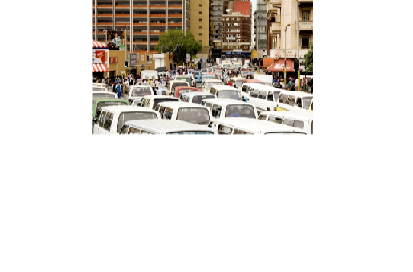
Construction on West Africa's first toll road that will connect the towns of Lekki and Epe is to commence in 2009. The Lekki Peninsula has boomed as oil prices soared and the deal was closed before oil prices began to plunge. The project is expected to cost approximately US$ 382 million which will be supplied by the African Development Bank, Standard Bank and local and national governments and banks. Road users and businesses will benefit on completion of the project in three year's time, as traffic congestion in Lagos is expected to improve considerably. The state-owned oil company, Nigerian National Petroleum Corporation, has signed a US$ 16 billion investment agreement with Dubai World Corporation. Funds will be allocated to infrastructure developments including dams, electricity, mineral resources and agriculture. This will not only benefit the operations of the oil company, but will also encourage existing and future business activity in the West African country.

Heritage Oil has made what may be the company's biggest discoveries yet in the Lake Albert Rift Basin. However, it will take two to three years to determine the full potential of the basin. Reserves are expected to exceed 400 million barrels of oil, making it potentially larger than the M'boundi oil field discovery in the Republic of Congo. The discovery bodes well for Uganda’s oil industry, although falling oil prices may counter the gains.

Angola will receive a loan of approximately US$ 1 billion from the World Bank between 2009 and 2013. The funds will be allocated to the diversification of the oil-rich country's economy away from oil – an important shift given the volatility of the oil price and especially the recent excessive decreases. US$ 250 million will be made available per year should the government decide to make use of the loan, especially for the manufacturing and construction sectors which the government expects to grow by 15.5% in 2009.

The Ecobank Group has increased its regional footprint with the opening of its latest affiliate in Uganda. The bank will enable banking services to be accessed easily between Kenya and its East African Community (EAC) partner states namely Uganda, Rwanda and Burundi where the bank has a presence. Ecobank Uganda opened for business with six branches in and around Kampala. The Uganda country affiliate brings to 26 the number of countries in Africa in which Ecobank operates. Ecobank is now consolidating much of its growth and expansion across middle Africa. This latest addition to its network also introduces Ecobank’s new corporate logo, which the group begins rolling out this month. It marks a new phase in Ecobank's development—one in which the bank intends to focus more on improving customer service, efficiency, productivity and performance.

Fitch Ratings has revised the Outlooks on Kenya's Long-term foreign and local currency Issuer Default Ratings (IDR) to Stable from Negative. The ratings were affirmed at 'B+' and 'BB-' (BB minus), respectively. The Short-term rating is affirmed at 'B' and the Country Ceiling rating at 'BB-' (BB minus). The Stable Outlook reflects the return to stability following the formation of a grand coalition government (GCG), in the wake of disputed elections held in December 2007, which remains intact and has put Kenya on the road to recovery, said the company. Although Kenya's recovery is being affected by the global economic slowdown and liquidity crunch, this will delay rather than derail a return to strong growth and Kenya's fundamentals remain supportive of a 'B+' rating. Public finances proved resilient to the country's political crisis. The deficit in FY08 (July 2007-June 2008) came in at 3.5% of GDP, below the projected 5.3% of GDP, reflecting strong revenue growth in the lead-up to the crisis, while reduced capital spending offset increased spending on security.

African Leadership Academy (ALA), the only pan-African secondary school dedicated to developing Africa’s future leaders, held its opening in February with guests including Archbishop Desmond Tutu and Graça Machel. African Leadership Academy expects to develop 6,000 leaders for Africa over the next 50 years. Its African Leadership Academy brings together promising 16-19 year old leaders from all 54 African nations for a two-year program designed to prepare each for a lifetime of leadership on the continent. In 2008, 1700 of the continent's top young leaders applied for the 100 places available in the inaugural class, making entry into ALA more competitive than Harvard University. ALA's program combines a internationally-recognized academic core with a unique curriculum focused on leadership, entrepreneurship and African studies, and is taught by 20 world-class educators chosen from a pool of 500 international applicants.

The United States Agency for International Development (USAID), in collaboration with the Ministry of Health and Abt Associates, Inc., has launched the Ethiopia Health Sector Financing Reform Project. The 15 million dollar project, which focuses on health care financing reform and health insurance, will improve the lives of over 40 million Ethiopians in the next five years by improving quality of health services, increasing access to health care and improving the utilization of modern health care. The project builds on the successful USAID-supported health financing reform of the Federal Ministry of Health and regional health bureaus, and will support a national health insurance initiative and implement health sector financing reforms at the regional level. This new, five-year Health Sector Financing Reform Project was designed jointly by the Ministry of Health and USAID, and funding for the project is provided by the American people through USAID and the U.S. President's Emergency Plan for AIDS Relief (PEPFAR). The project will be implemented throughout the country in phases.

South Africa's JSE Limited has launched the Africa Board, a new trading segment on the exchange's main board featuring top companies from across the continent, in a bid to increase interest and investment in African companies. According to the stock exchange, the decision came about after it was continually approached by foreign investors looking for ways to diversify their portfolios; the Africa Board was conceived as offering the best value. Only companies classified as African by the South African Reserve Bank will list of the board, and a company is African if it is domiciled in Africa, says the Exchange. However, if a company is based outside Africa, but the majority of its activities are geographically located in Africa, then it also qualifies as an African company. An African company already listen on an exchange in its home country could still apply for a listing on the JSE's Africa Board. Foreign clients, including investors from within Africa, are able to trade on the Africa Board through local brokers, or alternatively through JSE member brokers. The establishment of the Africa Board was established to give Africans the chance to invest in profitable African companies, allowing "Africans to invest in Africa". Pension is a massive industry in South Africa and Africa, and the Africa Board gives pensioners and those with a bit of money behind them the chance to invest in Africa's top companies. The benefits to African companies listed on the board include increased trading hours and greater exposure, increased liquidity, improved product offerings, strategic positioning for the rest of Africa, and favourable listing requirements, fees and obligations.

Telkom's African expansion has taken another step forward with the acquisition of an additional 25% stake in Multi-Links, giving the South African fixed-line operator full ownership of the Nigerian telecoms company. Multi-Links is a national private telecommunications operator that has a Universal Access License, which allows it to provide fixed, mobile, fixed-wireless, international and data services in one of the continent's fastest-growing telecoms markets. The company also owns an internet service provider license. An independent expert has valued the 25% stake, to be purchased from Kenston Investments, at US$130-million (about R1.31-billion). Telkom acquired 75% of Multi-Links in May 2007 for $280-million. Since Telkom's acquisition of a 75% stake in Multi-Links two years ago, the company has increased its mobile subscribers from around 262,000 to more than 1.7-million as of the end of September last year. At the same time, the company has been increasing capacity in order to provide quality data products, especially to the corporate market. With its low penetration and pent-up demand for voice and data services, Nigeria is a market that will help advance Telkom's goals of becoming Africa's leading information communication technology provider.

A telemedicine programme has started in Cameroon in partnership with several international institutions, including UNESCO, the main promoter of the project, Cameroonian scientist and economist, Jacques Bonjawo, has said. Telemedicine is a rapidly developing application of clinical medicine where medical information is transferred via telephone, the Internet or other networks. The telemedicine programme in Cameroon plans to open four sites in rural areas connected to a main server from which specialists could make diagnostics and prescribe therapies. Cameroon's ministries of health and economy, the Cameroon Telecommunications Company (CAMTEL) and the national health professionals are partners in the programme that should be quickly expanded to other African countries, according to the promoter. After the pilot phase, the programme will probably expand the use of communication technologies in Gabon and to countries in West Africa. Several other southern countries, including India and Senegal, have experimented with telemedicine as a response to the shortage of health specialists and facilities in rural areas.

The Council for the Development of Social Science Research in Africa (CODESRIA) is pleased to call for proposals for its revamped programme for the publication of text books for use in African universities. The programme was initially introduced as part of a broad set of objectives for achieving greater balance and relevance in curriculum development in African universities by making available to teachers and students, text books that are adapted to the African historical context and the environment of research and learning on the continent. In this role, it was conceived as an important element of the Council’s wider institutional mandate and publications strategy but it also helped, along side other CODESRIA publications, to assuage the book famine that afflicted the African social research community in the 1980s and 1990s. Through the revamped text book programme, the Council aims to continue to contribute to the nurturing and growth of younger African researchers brought up in a tradition of critical, engaged and rigorous scholarship premised on theoretical and methodological foundations that enable them to contribute meaningfully to the advancement of the frontiers of knowledge. To be eligible for consideration for support within the 2009 financial year of the Council, all applications should be received by 30 June, 2009.
http://www.codesria.org

The African Development Bank has developed a four-step plan to minimise the burden of the global financial crisis on African countries. The bank, which promotes economic and social development in Africa, has only recently seen success after two decades of structural adjustment, while the global financial crisis presents a threat. The Bank's President, Donald Kaberuka, has announced that the Bank has taken four major steps to minimise the burden, including setting up a $1.5 billion emergency liquidity facility and $1 billion trade financing facility. In addition, the bank has set up an African Bond initiative to mobilise resources. The Bank also plans to accelerate the finance system in order to make short and fast loan receiving procedures and reduce the red tape that slows funds from reaching low-income countries. The African Development Bank warned that many projects risked losing financing due to tightening global credit. This follows projections that the current global economy will affect Africa's economic growth. It is expected to slow to 3.5 percent this year, from an annual average of 5.8 percent over the last decade. It may even drop to 2.5 percent in 2010. This in turn means that Africa runs the risk of rising social tension, the rollback of economic reforms, unwise financial regulations and an erosion of global competitiveness, not only because of shrinking revenues and rising budget deficits, but also because of cuts in foreign investment and aid. The president of the only multilateral development body devoted specifically to Africa, cautioned against hasty decisions that were not anchored on sound confidence in light of governments attempting to recapitalise banks faced with a credit crunch.

Welcome to the new, upgraded ReConnect Africa website.
Please help us provide you with information relevant to your needs by completing the fields below (just this once!)