
RCA Flag
RCA Flag
Connecting Africa’s Skilled Professionals

RCA Flag

ReConnect Africa is a unique website and online magazine for the African professional in the Diaspora. Packed with essential information about careers, business and jobs, ReConnect Africa keeps you connected to the best of Africa.

ReConnect Africa Magazine

Books and Resources

Heading to Africa?

Editorial - Connecting Africa’s Global Talent

In May 2006 we launched ReConnect Africa.com as the ‘go to’ place for professionals of African origin overseas


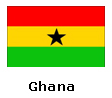
Ghanaian Medical & Health

Private clinics are available in the larger cities and towns, which function as hospitals and provide a range of medical services. Immediate cash payment is expected by doctors and hospitals before treatment.

If you are travelling within Ghana, it is advisable to get Medical Insurance or Travel Insurance for Ghana.

Malaria and some water-borne diseases are common in Ghana. The risk of cholera and other water-borne disease outbreaks are high both during the seasonal floods (April-August) in the Northern, Upper East and Upper West regions, and across Ghana (including in major urban areas) during the dry season (December-March). You should drink or use only boiled or bottled water and avoid ice in drinks. Food purchased from local street vendors may not meet adequate hygiene standards. If you suffer from diarrhoea during a visit to Ghana you should seek immediate medical attention.

It is recommended that you obtain comprehensive travel and medical insurance before travelling. You should check any exclusions, and that your policy covers you for the activities you want to undertake.

For further advice:

or


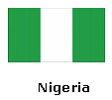
Nigeria Medical & Health

Malaria and polio are common to Nigeria and there are also regular outbreaks of cholera and measles. You should drink or use only boiled or bottled water and avoid ice in drinks.

If you suffer from diarrhoea during a visit to Nigeria, you should seek immediate medical attention. You should seek medical advice before travelling to Nigeria and ensure that all appropriate vaccinations are up to date.

It is recommended that you obtain comprehensive travel and medical insurance, including a provision for medical evacuation, before travelling. You should check and exclusions, that you insurance company provides a personal insurance cover for you in Nigeria, and that your policy covers you for all the activities you want to undertake.

For further information:

or


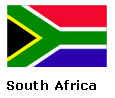
South Africa Medical & Health

A well developed public health service exists in South Africa. Private clinics are available in the larger cities and towns, which function as hospitals and provide a range of medical services. Immediate cash payment is expected by doctors and hospitals before treatment. If you are travelling within South Africa, it is advisable to get a Medical Insurance or Travel Insurance for South Africa.

Hospital treatment in large cities of South Africa is good but can be expensive. Medical facilities in rural areas can be basic. In remote areas, air evacuation is sometimes the only option for medical emergencies.

Travellers to Limpopo are advised to familiarise themselves with precautions needed to avoid cholera, in particular to drink or use only boiled or bottled water and avoid ice in drinks.

You should seek medical advice before travelling to South Africa and ensure that all appropriate vaccinations are up-to-date.

For further information:

or


Angolan Medical & Health

There are several competent private clinics run by expatriate organisations in Luanda. Fees are high and are charged in advance. Outside Luanda, health care is very limited.

Cholera outbreaks are common. You should observe routine food and hygiene measures when travelling in all parts of Angola, taking particular care with any food bought at the roadside or in the markets. You should drink or use only boiled or bottled water and avoid ice in drinks.

You should seek medical advice before travelling to Angola and ensure that all appropriate vaccinations are up-to-date.

For further information:

or


Kenyan Medical & Health

The Kenyan Government advises people not to travel if they suspect they have swine flu or have been in contact with someone who has it. The Kenyan government is maintaining a policy of surveillance for new cases, isolation of suspected cases and treatment where appropriate. Screening is being conducted at all ports of entry into Kenya. Health Officials are contacting arriving crews to ask if they have any passengers displaying symptoms, if they do, these passengers will be contacted, isolated and checked, including being asked for a sample to test.

You should drink or use only boiled or bottled water and avoid ice in drinks. Food prepared by unlicensed vendors should be avoided at any time. You should seek medical advice before travelling to Kenya and ensure that all appropriate vaccinations are up to date.

For further information:


Ugandan Medical & Health

Private clinics are available in the larger cities and towns, which function as hospitals and provide a range of medical services. Immediate cash payment is expected by doctors and hospitals before treatment. If you are travelling within Uganda, it is advisable to get a Medical Insurance or Travel Insurance for Uganda.

On arrival at Entebbe Airport, visitors should be aware that they will need to complete an arrival form giving details of recent travel and that they may be screened by Ugandan medical staff. Anyone exhibiting symptoms associated with swine flu is likely to be quarantined.

Only limited medical facilities are available outside Kampala. The capability to provide medical help at the scene of an accident is limited. In the case of serious accident or illness an evacuation by air ambulance may be required. You should seek medical advice before travelling to Uganda and ensure that all appropriate vaccinations are up-to-date.

For further information:

or


Sierra Leone Medical & Health

Inoculation regulations and medical advice can change at short notice for Sierra Leone. In case of doubt, please seek medical advice.

Medical facilities are poor in Sierra Leone. The emergency service response in Freetown is slow and can be unreliable. Outside the capital you should assume that there would be no emergency service response if you get into medical difficulty. You should carry basic medical supplies.

You should drink or use only boiled or bottled water and avoid ice in drinks. You should seek medical advice before travelling to Sierra Leone and ensure that all appropriate vaccinations are up-to-date.

For further information:

or


Tanzanian Medical & Health

One should be aware that medical facilities are limited, especially outside Dar es Salaam.

You should drink or use only boiled or bottled water and avoid ice in drinks. You should seek medical advice before travelling to Tanzania and ensure that all appropriate vaccinations are up-to-date.

For further information:

or


img4
Welcome to the new, upgraded ReConnect Africa website.
Please help us provide you with information relevant to your needs by completing the fields below (just this once!)